

Restoring bottomland habitat on the Mississippi Flyway
Honey Brake is widely recognized for exceptional hunting. It is equally a leader in conservation, and that work is what this program funds.
19,000 acres in the Wetlands Reserve Program
Honey Brake is the largest single-owner Wetlands Reserve Program tract in the nation, transforming former agricultural land into thriving habitat. 19,000 acres are enrolled in WRP, with over 2 million trees planted and more than 20 shallow-water resting areas created.
The Wetlands Reserve Program, now administered as Wetland Reserve Easements by the USDA Natural Resources Conservation Service, exists to take farmland out of production and return it to wildlife habitat. That is exactly what has happened here, at a scale that is unusual for a single owner.
The restoration is not finished and it never quite will be. We manage the property to support conservation, wildlife viewing, and healthy natural food sources that allow wildlife to flourish.

The ongoing work
Conservation out here is not a position paper. It is a calendar of physical labor that comes back around every year.
Planting hardwoods
Bottomland seedlings go into old farm ground and get protected until they can hold their own against deer, water and weather. Over 2 million are in the ground. Nobody who planted them will see them mature, which is rather the point of the exercise.
Shallow-water management
More than 20 resting areas get drawn down in spring so native food plants germinate on the exposed mudflat, then flooded back in fall to a depth ducks can feed in. Pound for pound it produces more waterfowl food per acre than anything we could plant, and it takes water-control structures, levees, diesel and a disk to pull off.
Water infrastructure
Levees, pumps, weirs and control gates are the difference between a wetland and a mud puddle. Holding thousands of acres at the right depth in the right week of the year is an engineering problem before it is an ecological one. It is also the least photogenic line in the budget and the most expensive.
Keeping it accessible
We steward the property’s operations to keep it open for conservation efforts and wildlife viewing. Ethical hunting plays an essential role in maintaining balanced wildlife populations and preventing ecological harm, and the access this land provides is part of what pays for its restoration.
Managing water the way the Delta used to
Before levees and farm ditches, the Delta flooded and dried on its own schedule. Moist soil management puts that rhythm back. By raising and lowering water in our managed wetlands at the right time of year, we grow native food and cover without planting a single row.
Slow drawdown
Water is let off gradually. As mudflats open up, native seed-producing plants like smartweed, millets and sedges germinate on their own.
Growth
Those plants grow and set seed. Insects and other invertebrates boom in the damp soil, and shorebirds and wading birds move in to feed.
Gradual flood
Water comes back up a few inches at a time, putting seed and invertebrates within reach of the first migrating ducks and geese.
Rest and refuel
Shallow, food-rich water carries wintering waterfowl through the season and sends hens north in condition to nest.
Why it matters
- Native moist-soil plants are some of the most valuable waterfowl food there is, and they come back every year from the seed already in the ground.
- Invertebrates in these wetlands supply the protein ducks need for the migration and for nesting.
- Exposed mudflats in late summer feed shorebirds, herons, egrets, spoonbills and stilts during their own migration.
- Varying water depths across many units means there is always habitat for more kinds of wildlife, not just one.
It keeps the property open
The same levees, roads, pumps and control structures that let us move water are what keep Honey Brake accessible. Managed water means passable levee roads, navigable water and dependable ground, so the land can serve every part of the mission: habitat work, research and banding, retreat guests on the water and in the field, and visitors who come simply to see it.
Without management, this ground either floods out or dries into a mud puddle. With it, the property works for wildlife and for people at the same time.
<1%
of the wildlife on the property is ever hunted
The other 99% are here because the habitat is
Less than one percent of the wildlife on Honey Brake is ever hunted. The rest of it, the songbirds, wading birds, shorebirds, raptors, deer, foxes and the waterfowl that pass through every winter, is here because the land is being cared for.
“The Lord God took the man and put him in the garden of Eden to work it and keep it.”
Genesis 2:15
A funnel in the Mississippi Flyway
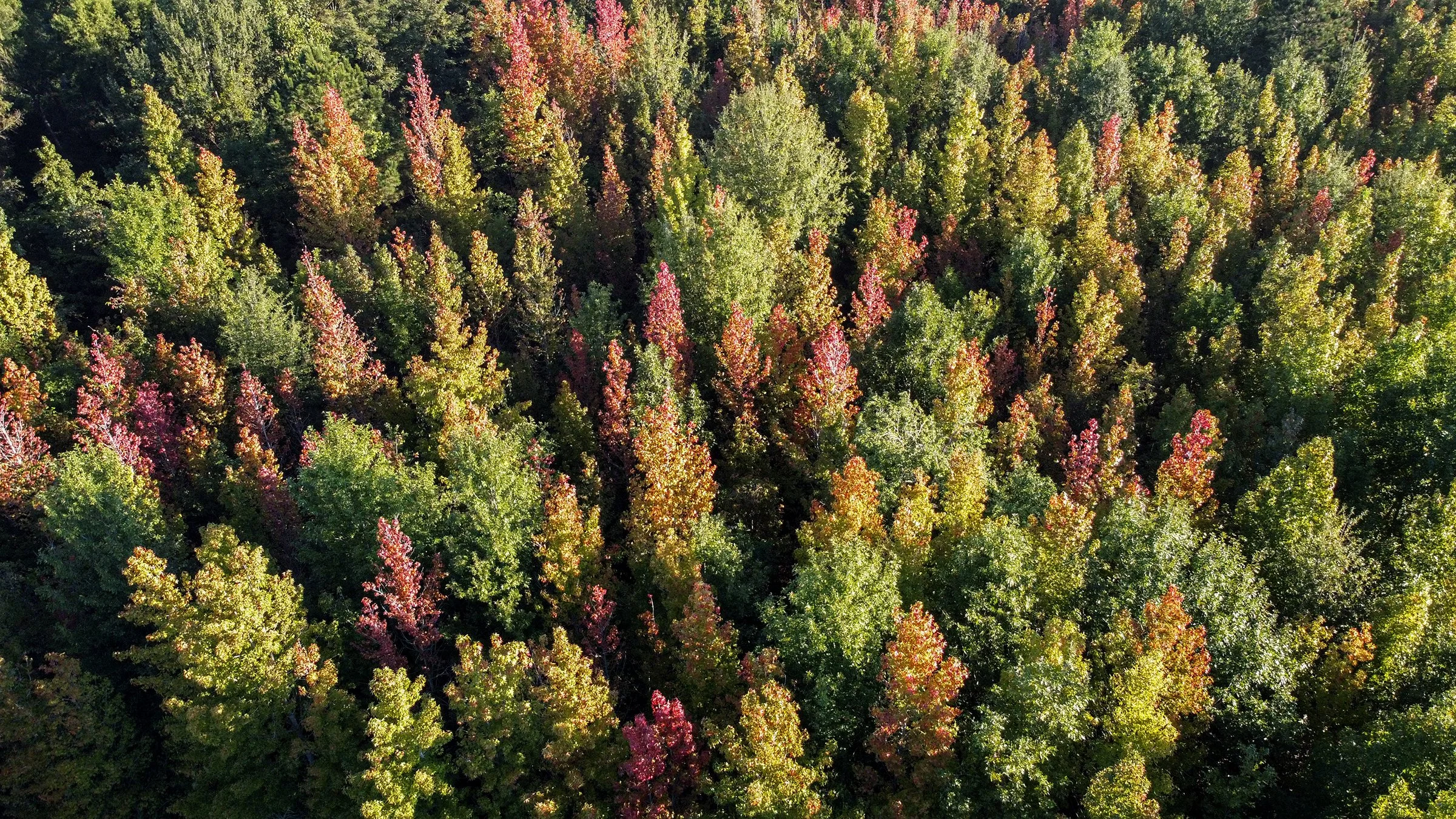
Honey Brake sits on Larto Lake in Catahoula Parish, close to where the Ouachita, Tensas and Little rivers come together and become the Black. The Central and Mississippi flyways converge overhead. The 63,000-acre Dewey W. Wills Wildlife Management Area is immediately next door, and Catahoula Lake, a wetland of international importance, is close enough to matter.
Geography handed this ground an outsized role in continental waterfowl migration. What gets done with that role is up to whoever is standing here.
Supporting the habitat work
Conservation at Honey Brake is an investment in the land, in wildlife, and in future generations who deserve to enjoy the outdoor way of life we cherish.
Through the Foundation’s support we remain committed to protecting wildlife and habitat while connecting people with nature in meaningful ways, strengthening families, relationships, and individuals from all walks of life.
Conservation at Honey Brake is an investment in our land, an investment in wildlife, but most importantly, an investment in future generations being able to enjoy what we love.
Honey Brake